
The rise of geopolitical risks and domestic dislocations
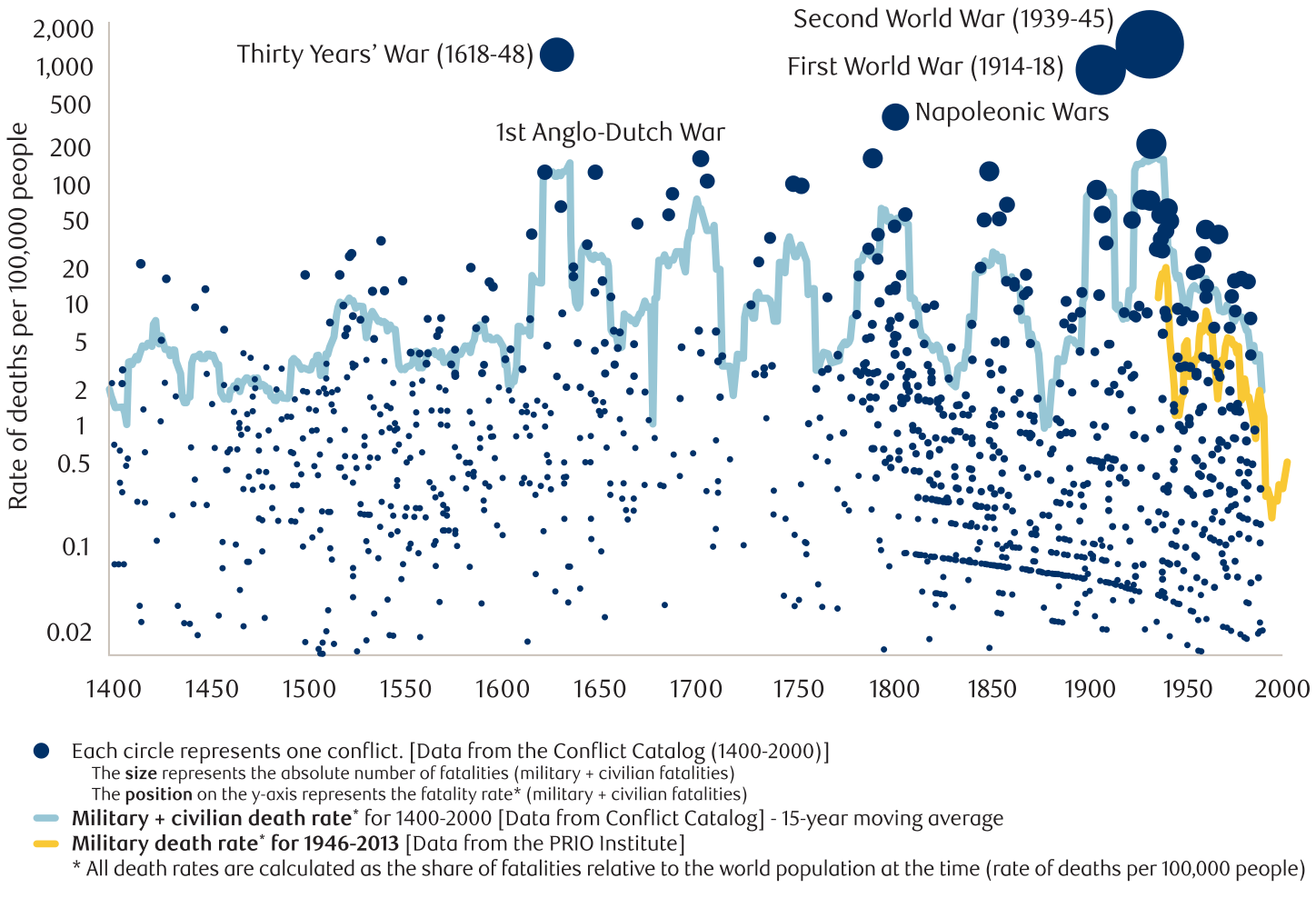
The period since the end of the second world war has been cited as one of the most peaceful times in human history. The number of global deaths in conflict has been on a steep decline since the 1950s to amongst the lowest levels on record (Exhibit 1)1.
Exhibit 1: Global deaths in conflict since 1400
Source: Battle Deaths Dataset v3.0 published by the PRIO Institute and Conflict Catalog by Peter Brecke for data on battle deaths. World population data from HYDE and UN. Data visualisation from OurWorldinData.org. Created by Max Roser.
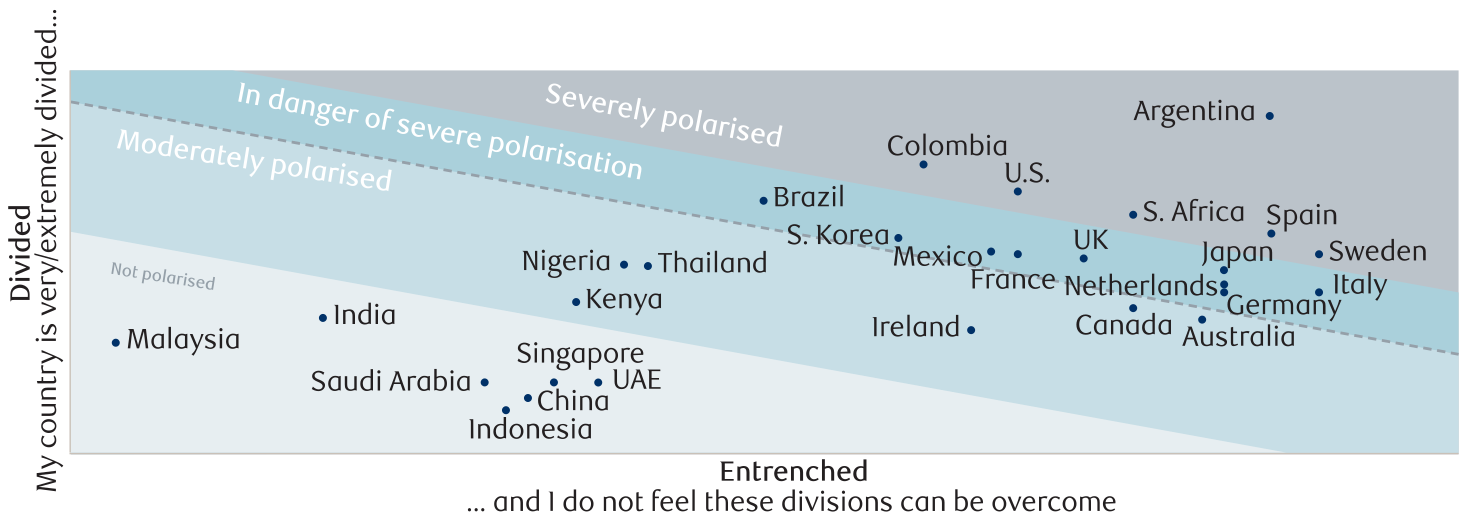
In recent times, however, there has been a deviation from this trend. Firstly, the Covid-19 pandemic saw decades of rising inequality and social underinvestment by governments rear its head through protests and social unrest. This, coupled with a challenging global economic backdrop, has led to rising domestic dislocations and political polarisation in a number of countries (Exhibit 2).
Exhibit 2: Political polarisation barometer by country
Source: Edelman Trust Barometer, 2023. Survey of 32,000+ people from 28 countries.
Countries are plotted based on the percentage of respondents in each country who see deep divisions and feel those divisions are entrenched. The results are based on the following questions:
- Using the scale below, please indicate how divided on key societal issues you believe your country is today. (5-point scale; top 2 boxes = very/extremely divided).
- How likely or unlikely do you think it is that your country will be able to work through or overcome its ideological divisions and lack of agreement on key issues and challenges? (8-point scale; codes 2-5 = unlikely/neutral).
We have also seen the rise of geopolitical risks, with Russia’s invasion of Ukraine in February 2022 and escalating tensions between China and the U.S. (Exhibit 3). In a survey of 785 company executives worldwide, geopolitical instability was cited as the top risk to global economic growth2.
Exhibit 3: Geopolitical Risk Index
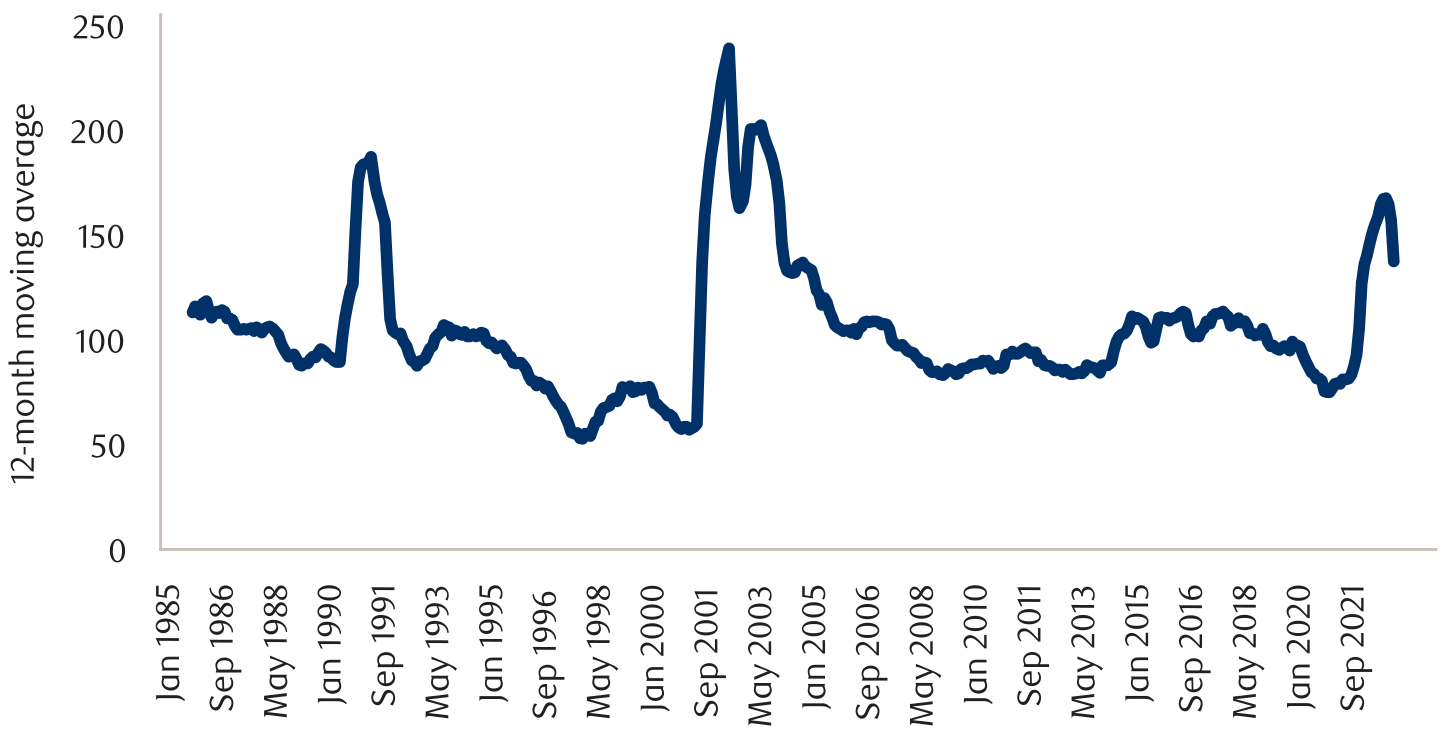
Source: Caldera et al, RBC GAM, April 2023. Index reflects automated text search results of the electronic archives of 11 national and international newspapers. Index measures the number of articles related to geopolitical risk in each newspaper for each month (as a share of the total number of news articles), normalised to 100 in 2000-2009 decade.
Emerging markets context
As stock pickers, we seek idiosyncratic factors as the main drivers of risk and return for our investment portfolios.
Nonetheless, top-down considerations are extremely important, in terms of positioning our portfolios in areas of long-term structural growth and avoiding risks. Given the trend of rising geopolitical risks and domestic dislocations globally, we explore a range of top-down risks through the lens of emerging markets (“EM”).
Our country case studies cover a range of risks, including geopolitics, domestic politics and ESG reforms, as well as different intensities and probabilities of risk, from gradual structural trends to low probability but high impact events. We consider both downside and upside risks.
Read the full piece here.
1 Data as of 2013. 600 years of war and peace (www.cdn.vox-cdn.com). 2 The latest global economic outlook & conditions | McKinsey, December 2022.